Advanced Sales Training For Experienced Sales Professionals
Sales training for experienced sales teams who already know how to sell but want to sharpen their skills, improve conversion rates, handle complex objections and communicate value more clearly. Help experienced salespeople turn more I'll think about it conversations into decisions without pushy selling techniques.
For established B2B sales teams, senior sales professionals, account managers & sales leaders.
After nine weeks I had written £5,000 of new business and significantly increased my confidence.
Naj Devgun • 20:20 Financial Planning
|
Turbocharge Your Sales MOST POPULAR |
Effective Sales Conversations MOST COMPREHENSIVE |
Sell on VALUE ESSENTIALS | |
|---|---|---|---|
| In-Person / Your Venue |
Call me
|
Call me
|
Call me
|
| Online Via Zoom |
Call me
|
Call me
|
Call me
|
| Demonstrate Value | ✓ | ✓ | ✓ |
| Simplify Sales Pitch | ✓ | ✓ | |
| Clarity & Confidence | ✓ | ✓ | |
| Sales Conversation | ✓ | ✓ | ✓ |
| Sales Training | 6 Hrs | 12+ Hrs | 60 Mins |
| Phone Support | ✓ |
| Sell on VALUE ESSENTIALS |
Turbocharge Your Sales MOST POPULAR |
Effective Sales Conversations MOST COMPREHENSIVE |
|
|---|---|---|---|
| In-Person / Your Venue |
Call me
|
Call me
|
Call me
|
| Online Via Zoom |
Call me
|
Call me
|
Call me
|
| Demonstrate Value | ✓ | ✓ | ✓ |
| Simplify Sales Pitch | ✓ | ✓ | |
| Clarity & Confidence | ✓ | ✓ | |
| Sales Conversation | ✓ | ✓ | ✓ |
| Sales Training | 60 Mins | 6 Hrs | 12+ Hrs |
| Phone Support | ✓ |
20-minute call. No pressure. Just see if it fits.
Prefer to write? Message Ian instead.
27+
Years in professional sales
£40m+
Sales growth helped deliver
63
Five-star Google reviews
106
LinkedIn recommendations
1998
Selling professionally since
Ian has worked in professional sales since 1998 and brings more than 27+ years of real sales experience to every advanced sales training session. He was trained in sales with Vodafone, held senior sales roles with Ideal Boilers and Hepworth Building Products, and later progressed to Sales Director. Many experienced sales teams choose Ian because his training focuses on making complex services easier to understand and easier to buy.
As a salesman, Ian has helped grow sales by more than £40 million using the same clarity-first approach he now teaches to experienced sales professionals and business owners, SMEs and sales teams. Since moving into sales training, he has helped more than 300 businesses improve sales conversations, communicate value more clearly and increase conversions. The most common goals are improving discovery calls, communicating value more clearly, increasing conversion rates and helping prospects make confident buying decisions.
His sales training courses for experienced sales teams focus on clearer sales communication, stronger value conversations, consultative selling and helping clients make confident buying decisions without pressure or scripts.
Ian is also a paid keynote speaker, an FSB annual bootcamp speaker in Manchester and a Cambridge University speaker. Over the past 27+ years, he has worked across financial services, engineering, manufacturing, telecoms, cybersecurity, IT, SaaS, education and other B2B sectors
Every idea taught to experienced sales teams has been developed through real commercial sales experience, tested with clients and refined over decades, rather than taken from sales theory or generic training manuals.
Najinder (Naj) Devgun
Director, 20:20 Financial Planning Ltd • Huddersfield
Josef Kane Brown-Needham DipPFS
Financial Adviser, Chatsworth Wealth Management • Nottingham
Karen Hagan DipPFS
Financial Adviser, Four Oaks Financial Services Ltd • Harrogate
Experienced sales teams choose Ian to sharpen established skills, communicate value more clearly and help buyers make confident decisions without pressure. These reviews come from professionals in financial services and other sectors.
John Hall
Founder & Managing Director, Frank eXchange • Mansfield
Yarka Krajickova
Financial Strategist & Educator, Action Your Accounts • Bristol
Driaan le Roux
Financial Education Specialist
Read more feedback from advisers, business owners and sales professionals across the UK, including 63 Google Reviews.
READ ALL 100+ CLIENT REVIEWSEven experienced salespeople can lose opportunities when buyers do not fully understand their value.
Prospects say they'll think about it, then disappear for weeks, months or forever.
Prospects choose a cheaper competitor when the difference in value is not clear.
Your team knows its value, but still discounts to secure deals that should command a better price.
Experienced salespeople know their products, but familiar habits can weaken important sales conversations.
Even seasoned sales professionals can lose confidence when facing senior decision-makers, complex objections or pricing pressure.
Prospects do not clearly understand what makes your offer different or why it is worth more.
When prospects don't see the value clearly, they focus on price instead.
The goal isn't to become a better salesperson.
The goal is to help clients make better buying decisions.
Confusion causes hesitation.
Hesitation becomes I'll think about it.
I'll think about it. becomes weeks or months of delay.
Delay often ends in ghosting.
20-minute call. No pressure. Just see if it fits.
Prefer to write? Message Ian instead.
Practical advanced sales training tools your experienced team can use immediately.
20-minute call. No pressure. Just see if it fits.
Prefer to write? Message Ian instead.
Many advanced sales training courses simply teach experienced people more selling techniques.
This sales training for experienced sales teams focuses on helping buyers make clearer, more confident decisions.
Experienced
salespeople
B2B sales
teams
Senior account
managers
Established
sales teams
Sales leaders
and managers
Sales training for experienced sales teams is for established sales professionals who want to improve results without pushy selling techniques.
Whether you lead a B2B sales team, manage key accounts or sell complex services, these principles help you communicate value and reduce buyer hesitation.

I deliver advanced sales training for experienced sales teams who want to improve conversion rates without pushy selling techniques.
That includes senior sales professionals, account managers, established B2B teams and sales leaders who want clearer value conversations.
In 1998, I graduated from Nottingham University with a Maths degree, no sales experience and absolutely no confidence in selling.
A Christmas temp job in a phone shop changed everything. Instead of learning sales techniques, I became obsessed with one question:
How do I make it easier for prospects to buy?
That question shaped my whole approach to sales. It helped me become the UK's top phone seller in that chain and led to a sales career spanning more than 27 years.
Today, I help experienced sales teams close more deals, communicate value clearly and confidently discuss fees through better client conversations WITHOUT pushy selling techniques.
20-minute call. No pressure. Just see if it fits.
Prefer to write? Message Ian instead.
Learn to close more deals, improve sales conversations, communicate value clearly and confidently charge what your service is truly worth.
Sales Training For Experienced Sales Teams
Full-day sales training for experienced sales teams covering Clarity, Messaging and Value.
✅ 6 hours of live 1-on-1 sales training over Zoom
✅ Real conversations
✅ Actionable frameworks
✅ Session recordings included
✅ Full notes and ebooks
✅ MONEY BACK GUARANTEE*
20-minute call. No pressure. Just see if it fits.
Prefer to write? Message Ian instead.
*Attend the first hour of online sales training. If you decide it's not for you, I'll refund every penny. No forms. No arguments. No quibbles.
Or how about
Mastering Your Pitch
in 3 hours for JUST
£PITCH
Yes. Sales training for experienced sales teams is valuable when capable salespeople have reached a point where further progress requires refinement rather than learning the basics again. A team might know how to build rapport, present a proposal and manage a pipeline, yet still lose business when buyers compare prices, challenge the recommendation or involve additional decision-makers. Experience brings knowledge, but it can also create habits that are rarely questioned. The aim is to find the small changes that matter most, not to tell successful people they have been selling incorrectly.
I focus on the conversations your team already has. We can examine how senior salespeople qualify opportunities, uncover commercial priorities, communicate differentiation and respond when a buyer says, 'I'll think about it.' For a professional services firm, that might mean making an intangible service easier to understand. For a technical supplier, it could mean replacing a detailed product explanation with a clearer business case. Established salespeople can test different approaches against real deals and keep what works for them.
The benefit is sharper judgement and greater consistency without forcing everyone to use identical scripts. A stronger conversation might protect margin, avoid an unnecessary discount or help a buyer agree on a meaningful next step. That is a useful outcome even for a team that is already performing well.
Advanced sales training concentrates on the decisions and conversations that influence difficult, high-value or slow-moving opportunities. Topics can include deeper discovery, diagnosing buying hesitation, commercial questioning, value-based selling, objection handling, stakeholder management, negotiations, proposal conversations and securing clear next steps. For experienced sales professionals, the challenge is not usually remembering a technique. It is knowing when to use it, when to stop talking and how to adapt it to a particular buyer.
The content starts with your team's existing sales process and the situations that cause lost time or lost revenue. A software team may need to help decision-makers understand why change is worth the disruption. A consultancy might be good at demonstrating expertise but less confident discussing fees. An account management team could need better conversations about expansion opportunities without making existing customers feel pushed. We can work through actual objections, typical buyer questions and the language used in proposals or presentations.
This is skills development for people who already understand selling. Rather than teaching a rigid closing formula, it looks at how to ask more useful questions, make a complicated offer easier to buy and recognise when a decision has genuinely moved forward. Your team leaves with specific changes to practise in live opportunities.
Yes. Advanced sales coaching should be built around the gaps in an established team's performance, not a standard list of beginner lessons. Two experienced teams can have very different problems. One may convert most first meetings but lose momentum after sending proposals. Another may win plenty of orders while discounting too heavily. A third may have excellent technical knowledge but struggle to explain the commercial value in language buyers understand. The training should reflect those differences from the outset.
Before the session, we can discuss your market, buyer journey, deal sizes, conversion points and common objections. Real examples from your team help identify where a conversation becomes unclear. We can then shape exercises around your sales stages, pricing model, competitive pressures and buyer roles. Senior account managers, field salespeople, internal sales teams and business development specialists may all need different scenarios. The emphasis is on the decisions your customers are actually making, not hypothetical situations that feel unrelated to work.
Tailoring also means respecting what already works. I am not there to replace strong individual styles with a single script. We keep effective habits and challenge the ones that lead to hesitation, unnecessary follow-up or weak commitments. That gives experienced people relevant practice and gives managers a clearer basis for reinforcing the changes afterwards.
Sales training for experienced sales teams starts where introductory courses usually finish. A beginner may need help opening a conversation, asking initial questions or building basic confidence. An established salesperson is more likely to need support with difficult buying committees, stalled proposals, fee resistance, complicated value propositions or opportunities that appear promising but never close. The difference is not simply using more complicated language. It is examining the judgement behind real commercial conversations.
In an advanced session, we can work with the techniques your team already uses and test where they succeed or fail. For example, an experienced business development manager might ask plenty of questions but still fail to discover who controls the budget. A senior consultant might deliver an excellent presentation that leaves the buyer unable to explain the value internally. These are not problems solved by memorising an introductory sales script. They require better diagnosis, clearer communication and a stronger understanding of how customers make decisions.
That approach makes the session more credible to seasoned salespeople. They can challenge assumptions, bring difficult cases and compare methods without being treated as new starters. The practical outcome is an improvement in how they handle the opportunities that currently demand the most experience, attention and commercial judgement.
Yes. Experienced sales teams can improve conversion by making the buying decision easier to understand, not by applying more pressure. A lost opportunity is not always the result of a weak closing technique. Buyers may be uncertain about the return, unclear about what happens next, worried about implementation or unable to justify the decision to colleagues. A salesperson can hold several meetings and still leave those questions unanswered. More persuasion will not necessarily solve that problem.
Training looks at the quality of discovery, the connection between the buyer's priorities and your recommendation, and how next steps are agreed. Your team can practise identifying genuine buying criteria, testing whether an opportunity is qualified and explaining what changes if the customer proceeds. We can also examine where proposals are sent too early, where follow-up becomes chasing and where a conversation should end because the fit is poor. These are useful distinctions for people managing demanding pipelines.
Better conversion does not mean every prospect should buy. It means the right prospects have enough clarity to decide, while your team avoids spending weeks on opportunities that were never likely to progress. The aim is more productive conversations and fewer avoidable delays, without pushy selling techniques or awkward closing lines.
Yes. Value-based sales training can help experienced people defend their pricing by making the reasons to choose your business easier to understand. Discounting often begins long before a buyer asks for a lower price. If the first meeting focuses on features, hours, specifications or a list of services, the customer may have little basis for comparing suppliers beyond cost. Even a knowledgeable salesperson can accidentally make a differentiated offer sound interchangeable with a cheaper alternative.
We work on discovering the commercial impact of the buyer's problem and connecting your offer to outcomes that matter to them. That could mean downtime avoided, staff time saved, risk reduced, revenue protected or greater confidence in delivery. Your team can practise discussing fees before sending a proposal, handling comparisons fairly and checking whether the buyer understands the difference between alternatives. For professional services, this may involve explaining expertise without drowning the customer in detail. For technical products, it may mean translating specifications into practical consequences.
The goal is not to refuse every discount or pretend price is irrelevant. Some opportunities genuinely need a commercial trade-off. The improvement is that experienced salespeople can recognise when price is the real issue and when the buyer simply has not seen enough value. That protects margin where the offer warrants it.
Yes. Sales coaching for senior salespeople can improve how they explore objections instead of responding with a rehearsed argument. Experienced buyers often raise concerns that do not fit neatly into 'too expensive' or 'not interested'. They may question the business case, worry about supplier risk, need internal approval or compare the offer against doing nothing. When a salesperson answers the surface objection too quickly, the real hesitation can remain unresolved.
We can practise slowing the conversation down and finding out what the concern actually means. 'We need to think about it' might signal missing information, internal disagreement, timing or uncertainty about value. 'Your competitor is cheaper' could mean the offers look identical or that the buyer has a genuine budget limit. The response should change depending on the reason. Training uses the objections your team actually hears, so the exercises feel realistic to experienced professionals rather than like a collection of standard rebuttals.
Your people also learn when not to overcome an objection. Sometimes a concern reveals that the proposed solution is not suitable, or that a decision needs more evidence. A more considered response builds credibility and protects relationships. It also gives the buyer a clearer route to a decision rather than leaving the salesperson repeating the same follow-up message.
Yes. Negotiation can be included when experienced sales professionals need to protect the value of a deal while reaching an agreement that works for both sides. Negotiating is not just responding to a request for a discount. Buyers might ask for extra scope, faster delivery, longer payment terms, additional support or a different level of service. Each concession changes the commercial value of the agreement, even if the headline price remains unchanged.
The training can examine how to prepare before a pricing conversation, identify what the buyer values and distinguish a genuine barrier from a routine purchasing request. We can practise clarifying the reasons behind an ask, explaining boundaries without sounding defensive and discussing fair exchanges when terms change. For example, a client requesting more work within the same fee may be offered a revised scope or delivery arrangement rather than an automatic concession. Complex deals may also involve procurement teams whose objectives differ from those of the end user.
The purpose is not to teach confrontational bargaining. Strong negotiators understand the customer, their own costs and the consequences of each agreement. Experienced salespeople benefit from being able to stay calm, discuss options clearly and recognise when a proposed deal no longer makes commercial sense. That supports healthier margins and more sustainable customer relationships.
Yes. Advanced B2B sales training can help experienced teams manage opportunities where several people influence the decision and progress happens over months rather than days. In complex sales, an enthusiastic contact does not always mean the organisation is ready to buy. A project can stall because finance, procurement, operations or a senior decision-maker has a concern that was never explored. Repeatedly asking the original contact for an update rarely fixes that problem.
We can work on identifying the buying group, understanding different priorities and helping your contact build a clear case internally. Your team might practise asking who needs to be involved, how the decision will be assessed and what evidence each stakeholder requires. An IT supplier may need to address security, implementation and financial return. A consultancy may need to show both the practical changes and the risk of leaving the current problem unresolved. The focus stays on your real selling environment rather than generic enterprise-sales theory.
Good complex selling also involves knowing when a deal is not advancing. Salespeople can learn to agree meaningful steps, test genuine commitment and distinguish an active opportunity from a friendly but non-committal conversation. That supports more reliable forecasts, better use of senior selling time and fewer surprises late in the pipeline.
Training for experienced sales teams can suit SMEs, growing businesses and larger organisations across many B2B sectors. It is especially relevant where buyers need help understanding a complex offer, comparing suppliers or justifying a significant financial commitment. Technology providers, manufacturers, engineers, professional services firms, financial services businesses, construction suppliers and business service companies may all benefit, but they should not all receive the same examples or exercises.
A small business with three established salespeople might need to tighten qualification because every wasted proposal takes time away from delivery. A national account management team may need a more consistent way to discuss renewals and account growth. An engineering sales team could be excellent at technical specifications but find it difficult to link those details to operational savings. A consultancy might win praise for its expertise while losing opportunities when the client asks why the fee is higher. These situations need practical, sector-aware discussion.
There is no minimum level of sophistication a business must reach before the work is useful. What matters is whether your people already have selling experience and face commercial conversations worth improving. The training is adjusted to the team size, customer type and decision process so experienced people spend time on relevant problems instead of generic sales lessons.
Yes. Advanced sales training can be delivered live online through Zoom or face to face at your premises. The right format depends on the number of people attending, where they work and the conversations you want to improve. Teams spread across several locations may find a live online workshop easier to attend. Businesses that want salespeople and managers to practise together in the same room may prefer an in-person session.
Both formats can be interactive. We can discuss live opportunities, examine how proposals are presented, practise difficult objections and give specific feedback on the words salespeople use. Experienced delegates generally benefit more from working on their own challenging situations than from listening to lengthy presentations. With online delivery, people can participate from different offices while still working through a common sales problem. Face-to-face delivery can make it easier to observe group discussions and develop a shared approach to important customer conversations.
Choosing the format should be a practical decision, not a judgement about which is automatically better. A focused session on one commercial issue may work well online, while a longer programme involving repeated practice may suit an in-person team workshop. The aim in either case is that everyone leaves knowing what to do differently in their next real sales conversation.
The training is available in different lengths, depending on whether your experienced team needs one focused improvement or a broader review of its sales conversations. Sell on VALUE is a 60-minute session designed to concentrate on communicating value. Turbocharge Your Sales provides six hours of training, suitable for more detailed work on several priorities. Effective Sales Conversations includes more than 12 hours and phone support, allowing additional time for discussion, practice and feedback.
A shorter session can be useful when an established team has a clearly defined problem, such as handling price comparisons or improving how fees are explained. Six hours can allow more room to explore discovery, buyer hesitation, propositions and objection handling in context. A longer programme is better suited to teams that want to examine several stages of the buying journey and have more time to apply ideas between discussions. The right length depends on your team size, current capability and the complexity of the customer decisions involved.
I would rather agree on what needs to improve before recommending a duration. Experienced salespeople do not need extra hours of material they already know. They need enough time to challenge current habits, practise useful alternatives and agree what will change when they return to their customers.
Sales training for experienced sales teams is available through three programmes, with online and face-to-face prices shown here. Sell on VALUE is a 60-minute session costing £290 online or £1,360 in person. Turbocharge Your Sales provides six hours for £990 online via Zoom or £2,480 in person. Effective Sales Conversations provides 12+ hours, including phone support, for £1,980 online or £4,820 in person. No VAT is added, and travel is included with face-to-face delivery.
The most suitable option depends on what your team needs to achieve, not simply how many people already have sales experience. If the biggest issue is competing on price, a focused value session may be enough. If senior salespeople need to improve discovery, negotiations, stakeholder conversations and follow-up, a longer programme may offer more room for practice. Team size, the range of roles attending and whether you prefer Zoom or delivery at your premises can also influence which option makes sense.
During an initial 20-minute conversation, we can discuss where opportunities are being lost and which programme is a sensible fit. You will know what is included and what it costs before choosing. The commercial question is whether the improvements are likely to justify the investment for your particular team.
You can measure advanced sales training by tracking specific commercial behaviours and results before and after the session. It is better to choose a small number of meaningful measures than to assume every sales figure will improve at once. Depending on your business, useful indicators might include qualified-opportunity conversion, proposal acceptance, average discount, gross margin, the time deals spend at each stage or the proportion of meetings that end with a clearly agreed next step.
We can first identify the problem the team is trying to solve. If experienced salespeople regularly discount at the proposal stage, examine why and monitor whether value conversations improve before prices are reduced. If complex deals stall, look at how consistently the buying group is identified and whether the team secures meaningful commitments. If forecasting is unreliable, monitor qualification quality and the accuracy of expected decision dates. Managers can review a sample of opportunities and observe whether the new approach is actually being used.
Results need context. Market conditions, lead quality and deal size can affect outcomes, and a single workshop cannot guarantee a particular uplift. For longer B2B cycles, behavioural changes may be visible before revenue changes. The useful goal is to connect what people practise to measurable improvements, so the business can judge whether the training is making the right difference.
Experienced salespeople can often use a new question, explanation or approach in their very next customer conversation. That does not mean measurable revenue results will appear overnight. A clearer way of presenting value may help immediately, while improvements to conversion, margin or sales-cycle length depend on how many relevant opportunities the team handles and how long customers take to decide. It is important to separate the speed of applying a skill from the speed of proving its commercial impact.
During the training, we focus on changes small enough to test straight away. A salesperson might confirm a buyer's decision criteria before producing a proposal, ask what internal approval involves or explain why a higher fee creates a different outcome. Afterward, managers can listen for those changes in calls or review whether meetings produce clearer next steps. Where deals take several months, it may be sensible to look first at better qualification and stakeholder engagement before judging final win rates.
Consistency matters more than a one-off burst of enthusiasm. Experienced teams already have established habits, so a useful improvement needs repeating until it becomes part of normal conversations. The aim is early practical progress, followed by evidence that the better approach is helping buyers decide and helping your business use its selling time more effectively.
Yes. Sales managers, senior account managers and business development leaders can all benefit from attending alongside experienced salespeople when the subject is relevant to their work. Managers often influence results through the questions they ask in pipeline reviews, the way they coach deals and what they praise or challenge. If a team learns to qualify opportunities more carefully but its manager continues rewarding only the number of proposals sent, the old behaviour is likely to return.
An account manager may have different priorities from someone responsible for winning new customers. Their difficult conversations might involve renewals, changes in scope, additional services or a customer questioning the value of a long-standing relationship. A field salesperson could focus on discovery and buying decisions, while a sales director may want to improve forecast confidence and the quality of coaching. Shared training can provide a common language while still allowing examples to be tailored to each role.
Managers do not need to dominate the session. They can participate in realistic exercises, observe what the team finds difficult and agree how to reinforce the lessons afterwards. That makes follow-up coaching more specific than simply telling people to sell harder. The business gets a better chance of turning a good workshop into a lasting improvement in everyday sales conversations.
Yes. Experienced sales coaching can help teams make follow-up more useful and identify account growth opportunities without treating customers as targets to be pushed. Follow-up often goes wrong when the salesperson has not agreed what the buyer needs to decide or when they will decide it. Messages then become variations of 'just checking in'. In an existing account, repeated attempts to sell additional services can also damage trust if the salesperson has not explored whether there is a genuine new need.
We can work on securing meaningful next steps during the original conversation and explaining why any later contact will help the buyer. For open opportunities, that might involve agreeing which information is missing, who needs to see it and what the next discussion will cover. For current customers, it may involve reviewing what has changed in their business, what is working and where a related service could solve a real problem. A software provider, for example, might discover that an existing client needs help with adoption before discussing an upgrade.
The purpose is not to increase the number of emails or calls. It is to make each interaction relevant, useful and connected to a customer priority. That can reduce chasing, support stronger renewals and create better-founded opportunities for repeat business, referrals and expansion.
Scepticism is understandable, especially when experienced salespeople have attended generic courses that repeat things they already know. The solution is not to tell a successful team it needs to go back to basics. It is to show that the workshop addresses real commercial challenges and gives people space to question methods rather than accept them without discussion. Good sales experience should be treated as an asset, not an obstacle.
I start with the situations your team finds difficult: an important deal that stalled, a competitor that keeps winning on price or a complex buying decision that remains unclear. We can compare how different team members approach the same issue and look at which questions create a more useful conversation. Delegates can bring genuine examples and test ideas against their own judgement. If a method does not fit your market or buyers, we examine why instead of forcing it into a rigid formula. That tends to create more useful discussion than a lecture about perfect selling behaviour.
Experienced people are more likely to engage when they can see that the training is for their level of responsibility and recognises what they already do well. The aim is to leave with one or more practical improvements worth testing, rather than with another set of slogans to remember.
The training is a good fit if your people already understand the fundamentals of selling but you can identify important conversations that need to work better. Common signs include too many qualified deals stalling, buyers focusing on price, senior salespeople struggling to explain differentiation, inconsistent negotiation outcomes or managers finding it hard to coach complex opportunities. It may also suit a strong team preparing to sell a more complicated service or work with larger accounts.
It is less likely to be the right starting point if the real problem is a shortage of qualified leads, an unsuitable product, a delivery failure or targets that are disconnected from the market. Training cannot fix those issues on its own. An initial discussion should establish where the friction appears in your customer journey and whether a conversation-based approach could reasonably help. We can look at the experience of the people attending, typical deal values, buying cycles and the outcomes you want. That helps identify whether a focused session or a longer programme is proportionate.
If there is a sensible fit, I can recommend a way forward and explain what we would work on. If the main issue sits outside sales conversations, it is better to identify that before spending money. The goal is a relevant improvement, not training for its own sake.
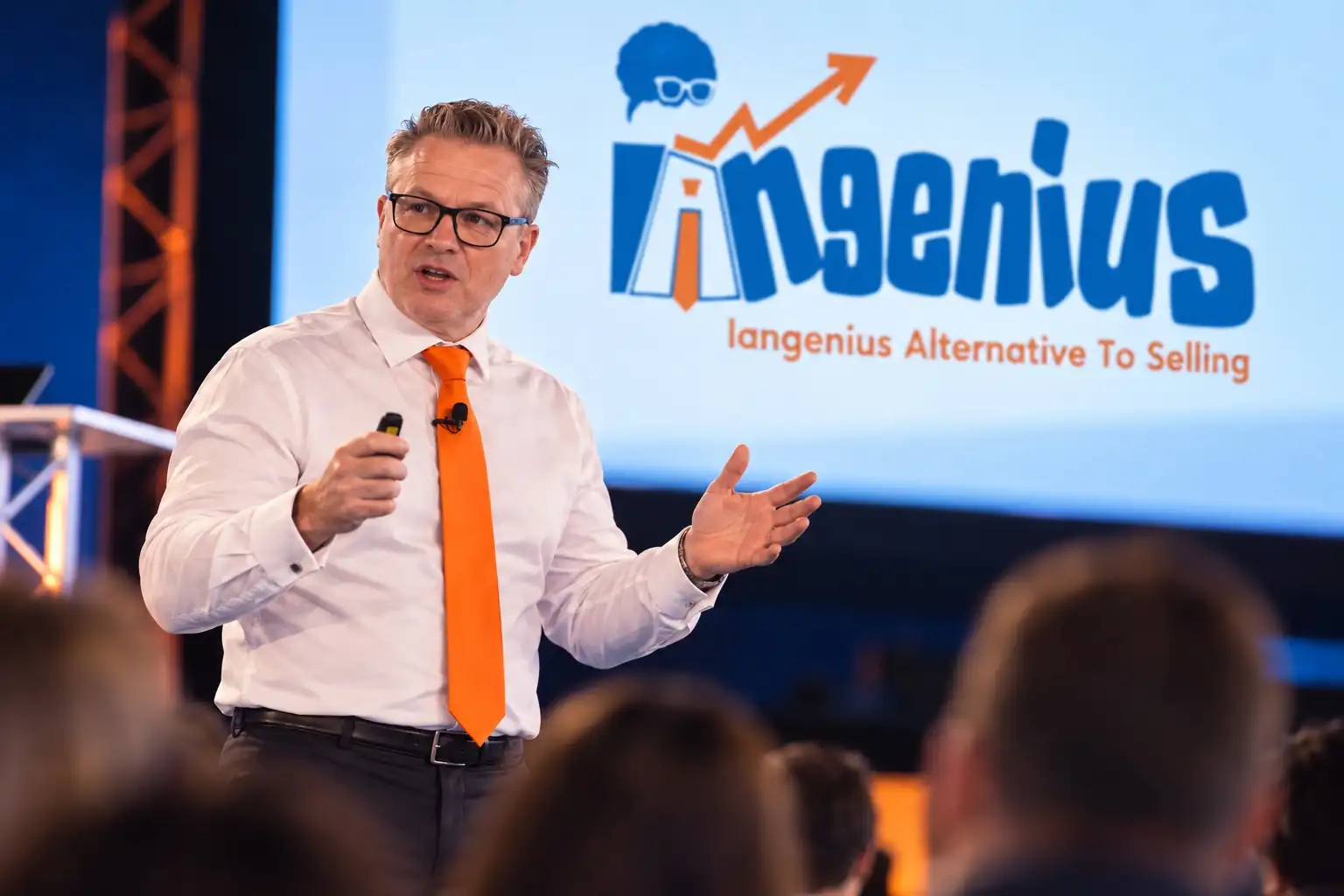
The training is personally delivered by Ian Genius, who has worked in professional sales since 1998. The approach is based on helping buyers understand value, reduce uncertainty and reach decisions rather than relying on aggressive closing techniques. That makes it suitable for experienced salespeople who already know how to sell and want to handle harder conversations more effectively. Delivery can be live on Zoom or face to face at your premises, depending on the programme selected.
Booking begins with a conversation about your team, the customers you sell to and the outcomes you want to improve. We can discuss the situations that regularly cause difficulty, from discount requests and stalled proposals to complex stakeholder decisions. It is also useful to know how many people will attend, whether their roles differ and whether managers should take part. From there, we can consider Sell on VALUE, Turbocharge Your Sales or Effective Sales Conversations and explain the relevant duration, format and price. That gives you a clear basis for deciding rather than choosing a course purely by its name.
If you want to discuss the training, arrange an initial 20-minute call. You can explain what your experienced team is already doing well and what you want to change. The next step should feel clear and useful, not like a sales pitch.


 Trustindex verifies that the original source of the review is Google.
 Trustindex verifies that the original source of the review is Google.
 Trustindex verifies that the original source of the review is Google.
 Trustindex verifies that the original source of the review is Google.
 Trustindex verifies that the original source of the review is Google.
 Trustindex verifies that the original source of the review is Google.
 Trustindex verifies that the original source of the review is Google.
 Trustindex verifies that the original source of the review is Google.
 Trustindex verifies that the original source of the review is Google.
 Trustindex verifies that the original source of the review is Google.
“If you're looking to multiply your sales conversions while keeping your integrity intact, then Ian Genius is your man.”
Andrew McEwan • Scotland
20-minute call. No pressure. Just see if it fits.
Prefer to write? Message Ian instead.
I now also do sales training for engineers, education providers, retail businesses, recruitement consultants, logistics companies, law firms and sales training for estate agents, helping professionals, new starters and recruits as well as experienced sales teams, whether that’s to close more sales, upsell to customers, handling objections or build confidence in sales with b2b sales training courses.
Sales training for experienced sales teams helps established salespeople sharpen their conversations, communicate value more clearly and improve conversion rates without starting again with the basics. Experienced professionals often know their products, customers and markets inside out, yet still face delayed decisions, stalled opportunities and prospects who say I'll think about it. Advanced sales training focuses on making complex buying decisions easier to understand and helping clients move forward with confidence without pushy selling techniques.
Even successful sales teams can develop habits that limit results. Experienced salespeople may explain too much, assume customers already understand the benefits or move into detailed questioning before earning the right to ask. Buyers can then focus on price rather than value, compare competing providers or stop replying. Sales training for experienced sales professionals helps teams recognise these patterns and improve the clarity of their messages, whether conversations happen face to face, over the phone, on Zoom or through Microsoft Teams.
Advanced sales training is suitable for established B2B sales teams, senior sales executives, account managers, business development managers, sales consultants, sales leaders and experienced client-facing professionals. It can support people selling professional services, technical solutions, financial services, software, IT services and other complex products or services. The aim is not to teach experienced people how to follow a script. It is to help them improve the conversations they already have, ask more useful questions and explain why their offer is worth choosing.
Handling objections is an important part of developing experienced sales teams, but objections are not always something to overcome with a clever response. Concerns about price, timing, risk or competing options can indicate that a buyer has not yet understood the value or feels uncertain about the decision. By identifying what is unclear earlier in the conversation, salespeople can reduce unnecessary objections, protect margins and help customers make informed choices. This approach supports consultative selling and stronger relationships rather than pressure-based closing techniques.
Sales training for experienced sales teams can also improve how people handle longer sales cycles, multiple decision makers, difficult follow-ups and opportunities that appear promising but never progress. Teams learn to recognise when a prospect needs more clarity, how to discuss commercial value without immediately discounting and how to agree sensible next steps. The goal is to make sales conversations more effective while respecting the customer's decision-making process.
I deliver practical sales training for experienced salespeople through live online sessions and in-person training at your business premises across the UK. Sessions can be tailored to individuals, established sales teams and sales managers who want to improve performance without repeating beginner-level material. Training focuses on real conversations, existing challenges and practical changes that can be applied to the next client meeting, proposal discussion or follow-up call.
Whether your experienced team needs to improve sales conversions, communicate value more confidently, handle objections, protect pricing or close more deals, the principle remains the same: confusion kills decisions. When customers understand what makes your service different, why it matters and what happens next, they are better placed to choose you. Sales training for experienced sales teams helps make that happen through clearer communication, better conversations and more confident buying decisions without pushy selling techniques.
20-minute call. No pressure. Just see if it fits.
Prefer to write? Message Ian instead.
| Cookie | Duration | Description |
|---|---|---|
| cookielawinfo-checkbox-analytics | 11 months | This cookie is set by GDPR Cookie Consent plugin. The cookie is used to store the user consent for the cookies in the category "Analytics". |
| cookielawinfo-checkbox-functional | 11 months | The cookie is set by GDPR cookie consent to record the user consent for the cookies in the category "Functional". |
| cookielawinfo-checkbox-necessary | 11 months | This cookie is set by GDPR Cookie Consent plugin. The cookies is used to store the user consent for the cookies in the category "Necessary". |
| cookielawinfo-checkbox-others | 11 months | This cookie is set by GDPR Cookie Consent plugin. The cookie is used to store the user consent for the cookies in the category "Other. |
| cookielawinfo-checkbox-performance | 11 months | This cookie is set by GDPR Cookie Consent plugin. The cookie is used to store the user consent for the cookies in the category "Performance". |
| viewed_cookie_policy | 11 months | The cookie is set by the GDPR Cookie Consent plugin and is used to store whether or not user has consented to the use of cookies. It does not store any personal data. |
Tell me a little about your business, the sales challenges you’re facing and what you’d like to achieve. I’ll reply to you personally. (Normally within the hour)