
Built for SaaS companies that want more effective sales conversations without pushy selling techniques.
Helping SaaS founders, sales teams, SDRs, AEs, founders, account managers & customer success teams.
64 Google Reviews • 102 Client Reviews
27+ Years in Professional Sales • Helped Businesses Grow by £40m+
After nine weeks I had written £5,000 of new business, built better client relationships and significantly increased my confidence. Najinder Devgun • 20:20 Financial Planning
|
Turbocharge Your Sales MOST POPULAR |
Effective Sales Conversations MOST COMPREHENSIVE |
Sell on VALUE ESSENTIALS | |
|---|---|---|---|
| In-Person / Your Venue |
Call me
|
Call me
|
Call me
|
| Online Via Zoom |
Call me
|
Call me
|
Call me
|
| Demonstrate Value | ✓ | ✓ | ✓ |
| Simplify Sales Pitch | ✓ | ✓ | |
| Clarity & Confidence | ✓ | ✓ | |
| Sales Conversation | ✓ | ✓ | ✓ |
| Sales Training | 6 Hrs | 12+ Hrs | 90 Mins |
| Phone Support | ✓ |
20-minute call. No pressure. Just see if it fits.
Prefer to write? Message Ian instead.
27+
Years in professional sales
£40m+
Sales growth helped deliver
63
Five-star Google reviews
106
LinkedIn recommendations
1998
Selling professionally since
Ian has worked in professional sales since 1998 and brings more than 26 years of real sales experience to every SaaS sales training session. He was trained in sales with Vodafone, held senior sales roles with Ideal Boilers and Hepworth Building Products, and later progressed to Sales Director.
As a salesman, Ian has helped grow sales by more than £40 million using the same clarity-first approach he now teaches to business owners, SMEs and SaaS sales teams. Since moving into sales training, he has helped more than 300 businesses improve sales conversations, communicate value more clearly and increase conversions. The most common goals are improving discovery calls, communicating value more clearly, increasing conversion rates and helping prospects make confident buying decisions.
His sales training courses on SaaS focus on clearer sales communication, stronger value conversations, consultative selling and helping clients make confident buying decisions without pressure or scripts.
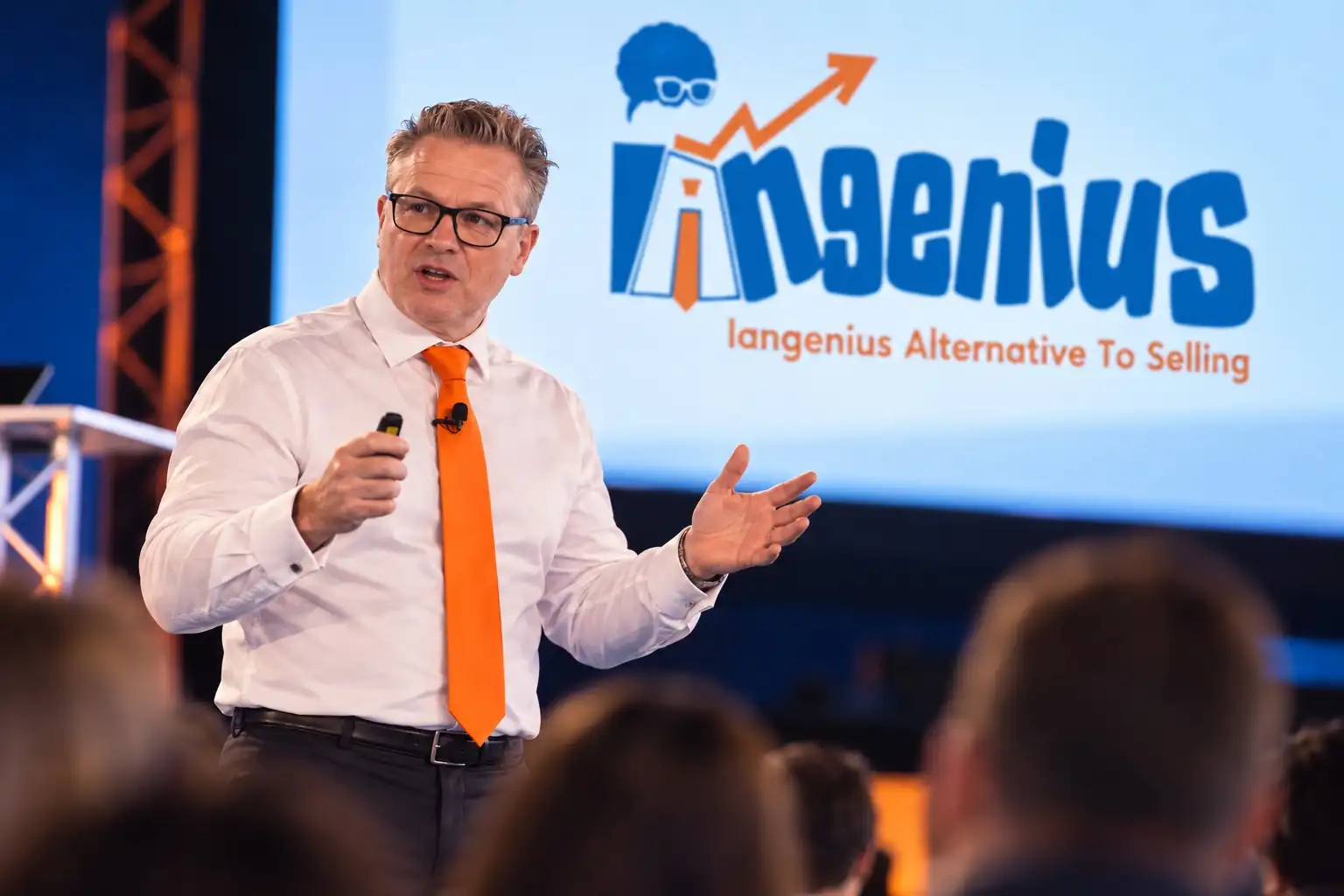
Ian is also a paid keynote speaker, an FSB annual bootcamp speaker in Manchester and a Cambridge University speaker. Over the past 26+ years, he has worked across financial services, engineering, manufacturing, telecoms, cybersecurity, IT, SaaS, education and other B2B sectors.
Every idea taught in Ian's Sales training courses on SaaS has been developed through real commercial sales experience, tested with clients and refined over decades, rather than taken from sales theory or generic training manuals.
"I have had two sessions with Ian. I have read a lot of books on selling before starting my business but none of them hammer it home like Ian does. I cannot recommend him enough."
Joshua Bevis
Sonar IT • London
“I took Ian’s Perfect Pitch course and it instantly paid for itself. Ian taught me the skills to make it easy for my client to make the right decision. I was able to create a pitch and deliver it with confidence, all because of Ian’s guidance. He made it so easy for me to see what I was doing wrong and how to do the right thing instead.”
Michael Datoo
Technology Without Tears • Newark
“Ian is a revelation in sales training. He understood our business incredibly quickly, challenged our thinking and developed a completely new approach for our outbound sales team which we are already using to great effect. Sessions with Ian now form part of our sales strategy.”
Luke Ireland
Creventa Event Planning • London
From SaaS businesses and IT companies to software providers and technology teams, Ian helps businesses simplify complex products, communicate value more clearly and create sales conversations that lead to better buying decisions.
“I completed Ian's six-week course and it gave me a completely different approach to engaging customers without pushy sales tactics. Ian was always available for support between sessions and I'd happily recommend him.”
Martin Fletcher
Bluebox Integration • Bolton
“Genius by name, genius by nature! Ian helped improve my pitch, discovery calls, networking results and marketing message. We uncovered areas to improve with example scripts and guidance that increased the quality of conversations and conversion rates. I would have no hesitation recommending Ian.”
Daniel Wickens
Wicomms UK • Tonbridge
“I've been working with Ian for several weeks now and he has totally revolutionized the way I conduct conversations. He's wildly committed to seeing his clients succeed and helped me convey more value. Can't recommend working with Ian enough.”
Dylan Nichol
Glenire Digital • Glenboig, Scotland
Ian is also recommended by 106 LinkedIn recommendations and 63 Google Reviews
We've brought together 102 unique client reviews from business owners, SaaS companies, technology businesses, advisers and sales professionals across the UK.
Many SaaS companies have a strong product, but aren't turning enough demos, trials and conversations into committed clients.
Prospects book a SaaS demo, show interest, say they'll think about it, then disappear before making a decision.
SaaS clients choose the lowest plan, delay the upgrade or compare you against cheaper SaaS alternatives.
You know your SaaS product creates value, but your team still ends up reducing price to win the deal.
Many SaaS teams have a useful product but struggle to make the value clear in demos, sales calls and follow ups.
Talking about SaaS pricing, plans, recommendations and next steps can feel uncomfortable.
Prospects don't fully understand your SaaS demo, onboarding value, sales deck or product message.
When SaaS buyers don't see enough value, they focus on price, features and cheaper alternatives.
The goal isn't to become a pushier SaaS salesperson.
The goal is to help SaaS buyers make better buying decisions.
Confusion causes hesitation.
Hesitation becomes I'll think about it.
I'll think about it. becomes weeks or months of delay.
Delay often ends in ghosting, lost deals or deals pushed into next quarter.
Practical tools your SaaS team can use immediately to improve demos, discovery calls and sales conversations.
20-minute call. No pressure. Just see if it fits.
Most SaaS sales training focuses on selling techniques.
This SaaS sales training focuses on helping prospects make better buying decisions.
SaaS founders
and directors
AE teams
SDRs
CS teams
Account managers
SaaS sales training is for staff who want better SaaS demos, clearer value conversations and more committed buyers without pushy selling techniques.
Whether you sell B2B SaaS, software subscriptions, platforms, apps, CRM systems, HR software, fintech tools, martech, cybersecurity software or other recurring revenue products, the principles apply to you.
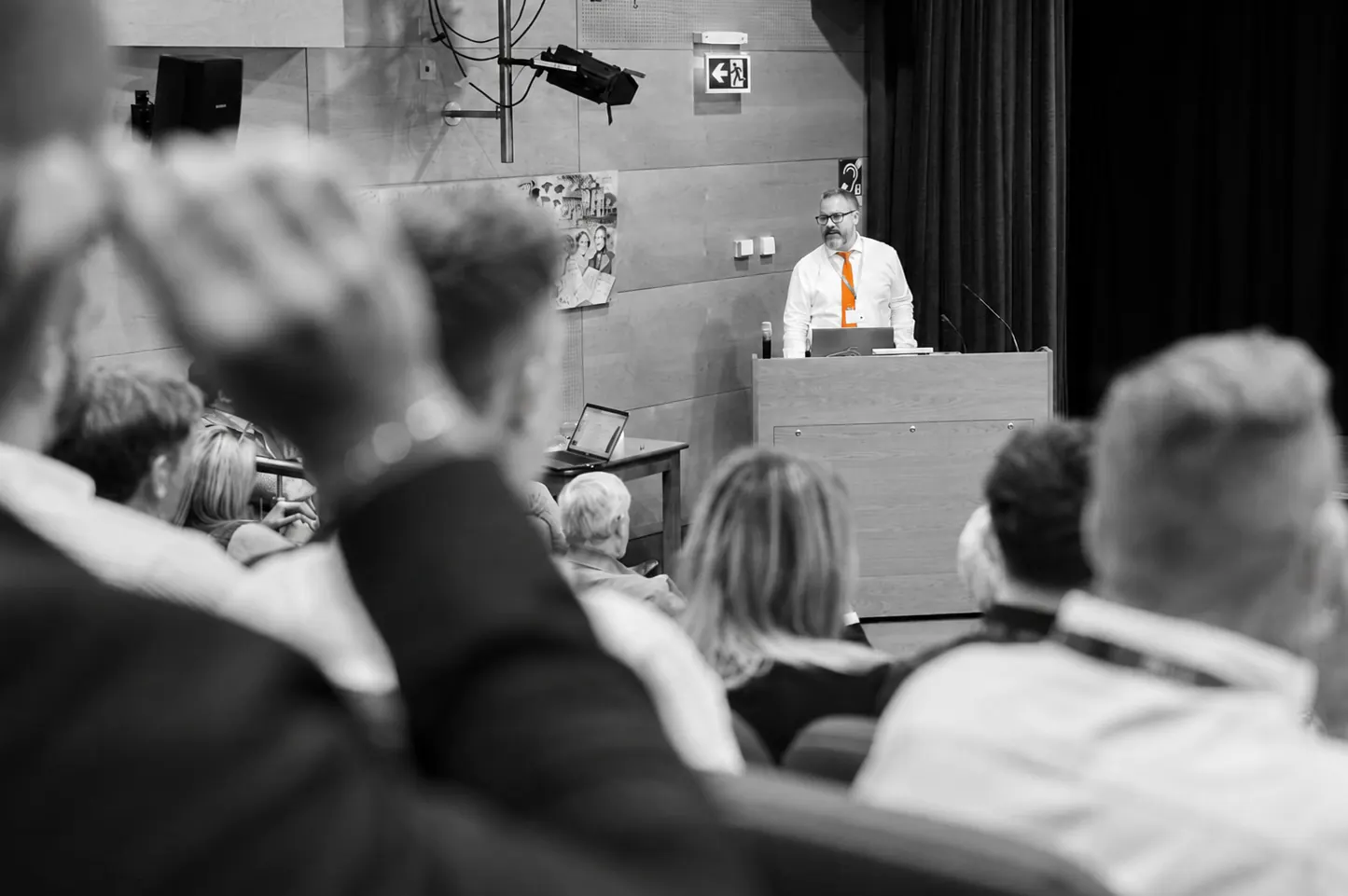
Today, I deliver SaaS sales training to help SaaS teams close more deals, improve demos, reduce price pressure and communicate value through clearer conversations and better buying decisions WITHOUT pushy selling techniques.
In 1998, I graduated from Nottingham University with a Maths degree, no sales experience and absolutely no confidence in selling.
A Christmas temp job in a phone shop changed everything. Instead of learning sales techniques, I became obsessed with one question:
How do I make it easy for customers to buy?
That simple idea helped me become the UK's top phone seller in that chain and launched a sales career spanning 26 years.
Today, I help business owners across the UK close more deals, upsell with ease and confidently charge more through clearer communication and better buying decisions WITHOUT pushy selling techniques.
Common questions about sales training for SaaS companies, software sales training and SaaS sales coaching.
Sales training for SaaS companies is important because software buyers rarely make decisions based on features alone. They are usually considering how a new platform will affect costs, productivity, workflows, security, integrations, implementation, user adoption and long-term business performance. Your sales team therefore needs to do much more than demonstrate what the software can do.
Strong SaaS sales training helps your team understand why a prospect is considering change, what commercial problem needs solving and what could prevent the buying decision from moving forward. That becomes particularly important in B2B SaaS sales where several people may influence the decision, including department heads, IT, finance, procurement, operations, information security and senior leadership.
Whether you sell CRM software, cybersecurity platforms, AI applications, HR technology, finance software, ERP systems, compliance platforms or industry-specific SaaS, buyers are often comparing several products that appear similar. When the difference between suppliers is unclear, conversations quickly become dominated by features, licence fees and discounts.
My sales training for SaaS businesses helps teams improve prospecting, qualification, discovery calls, software demonstrations, proposals, commercial conversations and objection handling. The focus is on uncovering genuine business priorities and communicating value in a way that makes the buying decision easier to understand.
Better conversations can improve demo conversion, pipeline quality, Average Contract Value, Monthly Recurring Revenue and Annual Recurring Revenue while reducing unnecessary discounting and stalled opportunities. The objective is not to pressure prospects. It is to give the right buyer enough clarity and confidence to make a sound commercial decision.
A SaaS sales team may need coaching even when lead generation looks healthy. The warning signs normally appear later in the sales process. Demos are taking place but prospects disappear afterwards, opportunities remain in the CRM for months, salespeople repeatedly chase decisions or buyers keep asking for lower prices before they understand the value of the software.
Other signs include low discovery-to-demo conversion, poor demo-to-close performance, inconsistent qualification, long sales cycles, excessive discounting and salespeople relying heavily on product features to create interest. You may also hear prospects saying they need to speak with IT, compare another platform, wait until the next budget cycle, stay with their existing supplier or continue using spreadsheets for the time being.
Sales coaching for SaaS teams is particularly valuable when different salespeople handle the same situation in completely different ways. One Account Executive may run excellent discovery calls while another quickly moves into a product demonstration. One SDR may qualify opportunities carefully while another books meetings with anyone who shows interest.
That inconsistency makes forecasting harder and creates uneven conversion rates across the sales team.
SaaS sales coaching helps SDRs, BDRs, Account Executives and Sales Managers understand what should happen at each stage of the buying journey. It improves questioning, qualification, value communication, commercial confidence and the ability to recognise why an opportunity is moving forward or becoming stuck.
The aim is to create a more repeatable SaaS sales process without turning people into scripted salespeople.
Sales training for SaaS businesses should reflect the way software is actually bought. That means covering much more than prospecting techniques or objection handling. Every programme I deliver is based around your software, customers, sales model and the points where opportunities are currently being won or lost.
The training can cover outbound conversations, inbound lead qualification, discovery calls, opportunity qualification, software demonstrations, stakeholder management, value communication, proposals, pricing conversations, commercial negotiations and helping buyers make confident decisions.
For B2B SaaS companies, we can also examine longer buying journeys involving proof of concept, technical validation, security reviews, API integrations, data migration, procurement, implementation planning and several decision-makers with different priorities.
The programme also looks closely at buyer psychology. Your team learns how to understand the commercial reason behind the project rather than simply collecting surface-level requirements. We explore why prospects delay decisions, why apparently interested buyers suddenly go quiet and why competitors sometimes win even when their software does not appear substantially better.
Depending on your goals, SaaS sales training can also focus on increasing demo-to-close conversion, protecting subscription pricing, improving Average Contract Value, shortening sales cycles and creating better opportunities for renewals, upselling and account expansion.
Everything is applied to genuine conversations your team has with prospects. The objective is practical improvement rather than generic sales theory.
Yes. Discovery calls and product demonstrations are two of the most important parts of software sales, but they are also where many SaaS opportunities begin to lose momentum.
A weak discovery call tends to collect information without uncovering why the issue matters commercially. Questions may establish which systems the prospect uses, how many employees they have and which features they want, but fail to uncover the cost of the existing problem, the urgency behind the project or what the organisation needs to achieve.
Software sales training helps your team move beyond surface-level discovery. Salespeople learn how to understand current processes, frustrations, business objectives, implementation concerns, decision criteria and the consequences of doing nothing.
That information should then shape the SaaS demonstration.
Instead of showing every feature the platform offers, your Account Executives can concentrate on the functionality that directly relates to the buyer's priorities. A cybersecurity prospect may care about reducing exposure and improving governance, while an HR software buyer may be more concerned with administration time, reporting and employee experience.
A better discovery process therefore creates a better demo. The demonstration becomes a commercial conversation rather than a product tour.
This approach can improve demo engagement, stakeholder confidence and demo-to-close conversion because buyers can see how the platform relates to their own business rather than simply watching another software presentation.
B2B SaaS sales training can help shorten unnecessary delays within the sales cycle, although it cannot remove genuine procurement, security, legal or implementation requirements.
Many long SaaS sales cycles are not caused by the complexity of the software alone. Opportunities often slow down because the business case has not been made clearly, the right stakeholders became involved too late or the sales process progressed before the buyer had established a strong reason to change.
Enterprise SaaS sales can involve operations, finance, procurement, IT, security, legal teams, end users and executive sponsors. If one of those groups introduces a concern late in the process, a seemingly advanced opportunity can move backwards several stages.
Sales training helps your team identify the likely decision process earlier. They learn to understand who will use the software, who controls the budget, who needs to approve the technology and what information each stakeholder requires before they can support the purchase.
We also examine the hidden causes of delays, including unclear next steps, weak qualification, poor business cases, uncertain implementation plans, fear of migration, switching costs and concerns about user adoption.
The objective is not to rush the buyer. It is to remove avoidable uncertainty.
When each stage of the SaaS sales process has a clear purpose, opportunities are less likely to drift between calls, demonstrations and follow-up meetings without genuine progress.
Traditional sales training often fails SaaS companies because software buying is rarely a simple transactional decision. Many older sales methods were developed around short sales cycles, individual decision-makers and techniques designed to overcome objections or close quickly.
Modern B2B SaaS sales can be very different.
A buyer may be considering a multi-year software agreement that affects hundreds or thousands of employees. The decision could involve data migration, integrations, information security, compliance, user adoption, implementation resources, training and significant switching costs.
Enterprise software purchases may also involve department heads, IT, procurement, finance, legal teams, information security and senior management. Each person sees the decision from a different perspective.
Generic closing techniques do very little to resolve those concerns.
Effective sales training for software companies therefore needs to concentrate on understanding the buying process, uncovering commercial priorities and communicating value clearly. Salespeople need to know how to ask useful questions, identify stakeholder concerns and explain why change makes commercial sense.
My approach to SaaS sales training focuses on reducing uncertainty rather than increasing pressure. Your team learns how to make complicated buying decisions easier to understand and how to help prospects evaluate value, implementation, risk and long-term outcomes.
That is more relevant to modern software buyers than trying to memorise scripted responses or aggressive closing techniques.
Yes. SaaS sales training can be delivered live online or face-to-face, depending on where your sales team is based and how you prefer people to learn.
Online SaaS sales training works particularly well for remote and hybrid software companies. It allows SDRs, BDRs, Account Executives, Sales Managers and Customer Success teams in different locations to attend the same programme without travelling to one office.
The sessions are interactive rather than simply being presentations delivered through a screen. We work through genuine prospecting conversations, discovery calls, product demonstrations, value discussions, objections and commercial situations your team regularly encounters.
Face-to-face sales training for SaaS teams works well when you want the team together in one location. It can be especially useful when several departments contribute to the customer journey, such as Sales, Account Management, Customer Success and leadership.
The delivery format does not change the fundamental approach. Both online and in-person training are tailored around your software, market, customers and sales process.
A cybersecurity SaaS company may need to focus heavily on risk, technical stakeholders and security reviews, while a CRM or HR platform may need more emphasis on workflow improvement, user adoption and return on investment.
The objective in either format is to create practical improvements your team can use immediately in real SaaS sales conversations.
Software sales training can benefit SaaS companies at almost every stage of growth, from founder-led start-ups through to established enterprise software providers with large sales and Customer Success teams.
The programme can be adapted for CRM providers, cybersecurity companies, HR technology, finance software, ERP systems, accounting platforms, artificial intelligence applications, compliance software, workflow automation, MarTech, legal technology, healthcare software, construction software, logistics platforms and specialist vertical SaaS businesses.
The sales model can also vary considerably.
Some SaaS companies rely heavily on outbound prospecting through SDRs and BDRs. Others generate most opportunities through inbound marketing, partnerships, referrals, free trials or product-led growth. Enterprise providers may have Account Executives managing opportunities for many months, while other software businesses have a much shorter buying cycle.
Despite those differences, many of the underlying challenges are similar. Buyers need to understand why they should change, why your platform is different, whether implementation is realistic and whether the commercial value justifies the investment.
Sales training for software companies helps your team deal with those questions more effectively.
The training is therefore not limited to one type of SaaS product or one sales methodology. It is built around how your customers actually buy and the conversations that influence their decisions.
Yes. One of the most useful outcomes of SaaS sales training can be reducing the pressure to discount simply to keep an opportunity moving.
Discounting often becomes the default response when a prospect struggles to see enough difference between competing platforms. If three software providers appear similar, price becomes an easy way for buyers to compare them.
The solution is not simply to become better at defending your price. Your team needs to create more value before the commercial negotiation begins.
That starts with discovery. Salespeople need to understand what the customer wants to change, why the issue matters, what the existing approach is costing the organisation and what a successful outcome could look like.
A SaaS platform might save administrative time, reduce operational risk, automate manual processes, improve compliance, increase productivity, improve reporting or help generate additional revenue. Those outcomes give buyers a much stronger basis for evaluating the investment than a list of product features.
SaaS sales team training also helps Account Executives connect implementation, onboarding, integrations, support and Customer Success to the overall value proposition.
When the buyer understands the complete commercial picture, the conversation becomes less focused on the cheapest monthly licence fee.
That can protect Average Contract Value, ARR and margins while helping customers choose the software because they understand its value rather than because they were offered the biggest discount.
My sales coaching for SaaS companies is built around clarity rather than pressure. I do not believe most software buyers need a salesperson to become more aggressive. They normally need the decision to become easier to understand.
I have spent more than 27 years working in sales and studying why prospects hesitate, delay decisions or choose another supplier. In SaaS, hesitation often happens because buyers are comparing several similar platforms, dealing with multiple stakeholders and trying to understand technical, operational and commercial information at the same time.
My approach therefore concentrates on the conversations that reduce that uncertainty.
We examine how your team qualifies opportunities, conducts discovery, presents software, communicates value, discusses price and responds when a prospect becomes hesitant. We also look at how salespeople explain complex software without overwhelming the customer with technical detail or feature lists.
The training is practical. Examples are taken from your market, software and sales process rather than unrelated role-play scenarios.
A SaaS sales trainer should understand that selling cybersecurity software is different from selling HR technology, financial software or a workflow platform. The underlying principles may be consistent, but the buyer priorities and risks can be very different.
The result is sales coaching for SaaS teams that feels natural, commercially relevant and usable immediately rather than a collection of scripts people forget a week later.
Yes. Every SaaS sales training programme is tailored around the software you sell, the customers you target and the way opportunities currently move through your sales pipeline.
Two software companies can both describe themselves as SaaS businesses while having completely different sales environments. An enterprise cybersecurity provider may have a lengthy buying journey involving security reviews, technical validation and procurement. A smaller HR software company may sell to business owners through a much shorter process. A vertical SaaS company may need deep industry knowledge because customers expect the salesperson to understand specialist workflows.
Before training, I look at your existing sales process and the points where performance could improve. That may include lead qualification, outbound prospecting, discovery, demonstrations, stakeholder management, proposals, pricing discussions, objection handling or follow-up.
We can also examine the language your team currently uses to describe the product. Many SaaS companies explain features extremely well but struggle to communicate why those features matter commercially.
The exercises are then built around genuine customer conversations.
That makes the training relevant to your SDRs, BDRs, Account Executives, Sales Managers, founders and Customer Success teams from the beginning.
The objective is not to replace everything that already works. It is to strengthen your existing SaaS sales process, remove unnecessary friction and create greater consistency across the team.
Yes. Price objections and procurement negotiations are common parts of B2B SaaS sales, particularly where buyers are comparing several platforms or purchasing licences across a large number of users.
However, a price objection is not always really about price.
A prospect may question the annual subscription because the business case has not been established clearly enough. They may be uncertain about implementation, concerned that employees will not use the software or worried about the cost and disruption of switching from their current platform.
Sales training helps your team investigate those concerns rather than immediately reducing the licence fee.
We look at how to discuss per-user pricing, annual contracts, multi-year agreements, implementation costs, onboarding, support and the total commercial value of the solution. Your team also learns how to distinguish a genuine budget constraint from a buyer who simply has not yet developed enough confidence in the investment.
Procurement requires a similar approach. Procurement teams may be expected to challenge pricing, compare suppliers and negotiate contractual terms. That does not mean the salesperson has to become defensive.
A strong SaaS sales process creates value before procurement becomes involved and ensures the internal sponsor can explain why the preferred solution was selected.
The aim is fewer unnecessary discounts, clearer commercial conversations and agreements that make sense for both the software company and the customer.
The cost of SaaS sales training depends on the delivery format, number of people attending and the level of support your team requires.
A one-to-one online programme for an individual salesperson has very different requirements from a group SaaS sales course involving SDRs, Account Executives, Sales Managers and Customer Success teams. Face-to-face delivery also differs from live online training because the structure and logistics are different.
I keep the pricing straightforward and confirm the cost before anything is booked. The aim is for you to understand exactly what the programme includes rather than finding additional charges appearing later in the process.
When considering the cost of sales training for a SaaS company, it is also useful to look at the commercial value of small improvements. A modest increase in win rate, Average Contract Value or demo-to-close conversion can be significant when contracts generate recurring monthly or annual revenue.
Likewise, reducing unnecessary discounting on multi-year SaaS agreements can protect substantial future revenue.
The right question therefore is not simply how much the training costs. It is whether the programme addresses a genuine weakness within your sales process and whether improving that area is commercially worthwhile.
I can recommend the most appropriate format based on your team size, objectives and current SaaS sales process rather than automatically pushing you towards the largest programme.
The right length for SaaS sales training depends on what you want the team to improve. Some businesses need focused work on a specific area such as discovery, value communication or product demonstrations. Others need a broader programme covering the complete SaaS sales process.
I do not believe training should be made longer simply to make it appear more substantial. The programme should be long enough to understand the problem, practise better conversations and give the team something practical they can apply afterwards.
For example, a SaaS sales team struggling with demo conversion may benefit from concentrating heavily on discovery, identifying buyer priorities and changing the way demonstrations are structured. An enterprise software company with long sales cycles may need broader work around qualification, stakeholder management, business cases, procurement and commercial negotiations.
The delivery can also be adapted around the working day. Live online sales training can suit distributed teams because it avoids travel and makes it easier for employees in several locations to participate.
The key issue is application rather than classroom hours.
A successful SaaS sales course should change the quality of the conversations taking place after the training. That means concentrating on the areas most likely to improve conversion, buyer confidence and commercial performance rather than filling time with generic theory.
SaaS sales training and coaching can help anyone who influences the commercial customer journey, not only traditional salespeople.
SDRs and BDRs benefit because their initial conversations determine which opportunities reach the pipeline. Account Executives need strong discovery, demonstration, value communication and commercial skills. Sales Managers need to coach those behaviours consistently across the team.
Founders can also benefit, particularly in early-stage SaaS companies where the founder may still be responsible for winning larger customers or transferring their own sales knowledge to new employees.
Customer Success Managers and Account Managers may attend when the business wants greater consistency between acquisition, onboarding, renewals and expansion. Their conversations influence retention, cross-selling, upselling and expansion ARR even if their role is not described internally as sales.
Enterprise Account Executives may need particular support with stakeholder management, procurement, business cases and long sales cycles, while Revenue Operations leaders may be interested in creating greater consistency between process, CRM stages and real buyer behaviour.
The most useful attendee mix depends on the problem being addressed.
If customers hear one value proposition from Sales and a completely different message after onboarding, bringing several commercial roles together can help create a more consistent customer experience from first contact through to renewal.
SaaS sales team training can be useful for businesses with one salesperson, a small founder-led team or a much larger commercial department.
Smaller SaaS companies often face a particular challenge because much of the sales knowledge sits with the founder or one experienced salesperson. As the company grows, new SDRs, BDRs and Account Executives need a way to reproduce the conversations that previously depended on individual experience.
Sales training can help turn that knowledge into a clearer and more consistent approach.
Scale-ups often have a different problem. Headcount may be increasing quickly, but different salespeople develop their own ways of qualifying opportunities, conducting discovery and running demos. That can produce inconsistent conversion rates and make pipeline forecasting more difficult.
Larger software companies may already have a defined methodology but want to improve a particular part of the process, such as enterprise discovery, stakeholder management, commercial conversations or protecting price during procurement.
The training is therefore adapted around the size and maturity of the team rather than assuming every SaaS company needs the same programme.
Whether you have a founder selling alongside one Account Executive or an established revenue team containing SDRs, BDRs, Account Executives, Account Managers and Customer Success, the aim is to improve the conversations that influence customer decisions.
The results from SaaS sales training depend on your product, market, team, lead quality and how consistently the ideas are applied afterwards. I therefore would not promise a fixed percentage increase that ignores those variables.
The purpose of the training is to improve the quality and consistency of the conversations that influence buying decisions.
That can lead to better-qualified opportunities, stronger discovery calls, clearer product demonstrations and higher demo-to-close conversion. Sales teams may also become better at explaining commercial value, protecting pricing and recognising much earlier whether an opportunity is genuinely likely to progress.
For growing SaaS companies, these improvements can support stronger Monthly Recurring Revenue, Annual Recurring Revenue and Average Contract Value. They may also help reduce unnecessary discounting and shorten the parts of the sales cycle caused by confusion or poor stakeholder alignment.
The benefits do not necessarily stop when the initial contract is signed.
Clearer expectations during the sales process can make onboarding easier because the customer understands what the software is intended to achieve. Customer Success and Account Management teams can then build on that understanding during adoption, renewals, cross-selling and expansion conversations.
For some businesses, the biggest improvement is consistency. Instead of successful deals depending heavily on one founder or exceptional Account Executive, the wider team develops a clearer approach to qualification, discovery, value and buying decisions.
Ultimately, effective sales training for SaaS should help the right prospects understand your software more clearly, make better-informed decisions and become customers for the right commercial reasons.
If you're looking to multiply your sales conversions while keeping your integrity intact, then Ian Genius is your man.
Andrew McEwan - The Savvy Marketing Guy
EXCELLENT Based on 64 reviews
 Posted on Google

 Elena16/08/2026I did Ian Genius’s Turbocharge Your Sales training, and what I can say is that the training is absolutely incredible. It’s very easy to understand and very easy to apply. It’s really fun, interactive, and straight to the point. He helps you nail your message in a way that cuts out all the noise and gets straight to what you should actually be saying to your potential clients. So if you don’t know how to present yourself, or you feel that the way you’re presenting yourself probably isn’t working but you don’t know how else to do it, then definitely speak to Ian Genius.Posted on Google
 Maritsa07/07/2026It's always a delight speaking with Ian as, invariably, he always leaves you with some excellent nuggets of wisdom. Having recently pivoted my business offering, I knew that I needed to speak to Ian, to refine my networking pitch. Within minutes I had something I was really chuffed with, all thanks to Ian.Posted on Google
 Martin Pemberton03/06/2026Sales is one of those things, it’s a tricky one isn’t it? businesses don't like talking about money, they don't like selling, they don't want to be pushy. After just one hour with Ian, everything changed. He explained how we could market ourselves by introducing VALUE to our clients. And the way he explained it was so simple, that it suddenly clicked in our minds and managed to get six new clients off the back of just one hour with Ian. Ian has given us clarity of our value. Thank you IanPosted on Google
 Andrew Laws23/02/2026I already knew Ian was talented because of the engaging content he publishes. However, it was only after spending time in a training session with him that I truly understood how valuable he is to my business. If you are struggling to achieve the sales figures you want – or if you find yourself being "ghosted" by prospects as soon as you have sent a quote – you need to speak to him. The value here goes beyond simple clarity. There is no "tricksy" sales nonsense involved. Instead, Ian provides logical, straightforward frameworks that are incredibly easy to follow. It is no exaggeration to say that the training I did with Ian revolutionised my approach. I have been in business and involved in sales for a long time, and I only wish I had met him when I first started. It would have saved me a great deal of heartache and frustration.Posted on Google
 Nigel Hartland30/01/2026“From first meeting Ian at a network event I knew he was someone that I would enjoy working with. His passion and knowledge of his subject is infectious. I’ve had numerous sessions with Ian regarding the topic of Sales and found Ian to be very empathetic on this issues of selling and how to approach an often difficult subject. The concept of explaining issues as a choice: 6 year old easy or really difficult is brilliantly effective and really helps demonstrate how important it is to make the “selling simple” Ian clearly has many real world experiences that he draws on anecdotally to explain his concepts. He uses humour appropriately to help deliver his sessions. His videos on LinkedIn whilst being humorous are very cleverly put together and really engaging in to the issues of selling - Ian clearly has a knack of making the concepts enjoyable I would wholeheartedly recommend Ian as someone to work with if you want to demystify the concept of sales and how you can improve your techniques for engaging with customers.” I'd like to add that Ian has continued to be a source of support with Sales and it cannot be over emphasised the importance of simplifying concepts for people and how effective that is when dealing with customers, something that Ian excels at.Posted on Google
 John Hall13/01/2026Ian’s review of our prospect meetings was immediate and transformative. He showed us exactly how to simplify our approach and cut the jargon, which directly led to a massive increase in effectiveness. Since implementing his advice, we've had a 100% success rate, signing every prospect seen. A highly valuable consultation.Posted on Google
 Najinder Devgun13/01/2026I have been using Ian as a Sales Coach for two months now. I have always been able to convert prospects who come via a warm referral, but I have struggled to convert cold prospects that come through marketing efforts. I started by booking one of his value hour sessions, and I then decided to book his twelve-week course. If you are a financial advisor (pensions, investments, mortgages, etc.), then Ian is definitely for you. Ian, as he loves to remind you, has a degree in mathematics (only joking Ian!). He understands number-based concepts extremely well, he also teaches you how to communicate numbers to people in a simple way. As he says, confused people don't buy. Ian also works very hard to understand the value of your particular service or product. The more you give Ian in terms of what you do, how you do it, and why you do it, the more he helps you. After 9 weeks, I am starting to see more conversions and better relationships. Also, my confidence has increased.Posted on Google
 Billy Mollison27/11/2025I have worked with Ian on many occasions, and attended his 1-2-1 and group training sessions, both of which I will continue to do as my business evolves. Ian has completely changed my approach to selling. His message is straightforward, no jargon, no complicated language. He has taught me the benefit of keeping things simple, and it has been beneficial to me in respect of the confidence to persuade people to buy what I offer rather than sell to them. I highly recommend Ian - he provides great advice, it's cost-effective, and it provides value no matter what size of business you represent.Posted on Google
 Clare Gibson24/11/2025Whether you hate selling or don’t, working with Ian is a game changer. I have learnt so many things I didn’t even know I needed, and I can confidently say you will too. More than IanGenius, he’s IanValuable. Chat with him, he’s got a wealth of resources and a uniquely effective approach to helping your business to better serve your clients.Posted on Google
 Alun Hurn15/10/2025I am near completion on Ian's Effective Sales Conversations course, in fact we should be finished however Ian felt that he needed to give me a few more sessions to ensure I'm comfortable. I'm not exaggerating when I say it’s transformed how I approach my pitch and my approach to new business development. Before the course, my pitch often felt like a price list with a bit of polish. Now, it's a clear, confident explanation of the value I bring, without the fluff or the hard sell. Ian's given me a simple, practical framework (bespoke to my business ) that’s helped me cut through the noise and speak directly to what matters to potential clients. This training didn’t just improve my pitch, it made it land. If you’re tired of being seen as “just another option” and want to stand out for the right reasons, I’d absolutely recommend working with Ian, he's a genius (excuse the pun). Thank you so much Ian 🙏
20-minute call. No pressure. Just see if it fits.
Prefer to write? Message Ian instead.
Sales training for SaaS businesses helps founders, business owners and sales teams communicate value more clearly, handle objections with confidence and turn more I'll think about it conversations into paying clients. Whether you're looking for sales training for SaaS start-ups, scale-ups or established software companies, training can be delivered live online or at your offices. For growing software firms, understanding whether their SaaS burn multiple shows sustainable growth can also influence the pressure placed on sales teams to generate revenue efficiently.
Many SaaS businesses invest in sales training because buying software has become more complex. Buyers typically research extensively before booking a demo, compare multiple platforms and involve several decision makers. Whether conversations happen over Zoom, Microsoft Teams, Google Meet or in person, prospects need confidence before committing. Questions around SaaS data residency can also become part of the buying conversation, particularly when customers need clarity about where sensitive information will be stored. Sales training helps SaaS sales teams build trust, communicate value more clearly and improve conversion rates.
Sales training for SaaS companies is suitable for founders, SDRs, BDRs, account executives, account managers, customer success teams, sales leaders and revenue teams. Whether you're running product demonstrations, discovery calls, sales presentations or renewal conversations, communicating clearly has a direct impact on buying decisions, client confidence and recurring revenue. As AI becomes increasingly important to software platforms, understanding developments such as MCP for SaaS can also help teams explain new capabilities without overwhelming buyers with technical language.
Unlike many sales training providers for SaaS companies that focus heavily on scripts, objection rebuttals and closing techniques, this approach focuses on reducing confusion. When prospects fully understand what your software does, why it matters and how it helps them achieve better outcomes, they become more confident in their decision. Better buying decisions often lead to faster sales cycles, fewer objections and fewer conversations ending with I'll think about it. Strong commercial conversations also matter when founders are thinking about SaaS valuations and the recurring revenue, retention and growth metrics that can affect what a software company is worth.
If you've been searching for sales training for SaaS businesses, training can be delivered live online or at your offices anywhere in the UK. Whether you need one-to-one coaching, team workshops, onboarding support or ongoing sales development, practical SaaS sales training helps improve sales performance while keeping disruption to a minimum. This can be particularly valuable when buyers are weighing up a SaaS build vs buy decision and your team needs to explain clearly why purchasing your platform offers greater value than developing an alternative internally.
I regularly deliver sales training for SaaS businesses working across B2B SaaS, cloud software, CRM platforms, cybersecurity, HR software, fintech, martech, AI software and subscription-based technology companies. Training supports businesses selling to SMEs, mid-market organisations and enterprise clients, helping teams communicate value, differentiate from competitors and increase recurring revenue. For security-focused software providers, subjects such as SaaS security posture management can become important differentiators when buyers are comparing platforms and assessing risk.
Whether you need sales training for a single SaaS salesperson or your entire revenue team, the goal is the same: clearer conversations, greater client confidence, higher conversion rates and more recurring revenue without relying on pressure or pushy sales techniques.
Want to see if sales coaching is for you or your team?
Designed for busy businesses, our digital sales training helps corporate sales teams simplify their message, communicate value more effectively and close more deals.
Ian delivers practical SaaS sales training for businesses across the UK, including Cardiff, Leicester, Birmingham and Lincoln, helping businesses communicate value clearly and improve sales conversations without pressure selling.
SaaS Tollgating: Will Businesses Pay To Access Their Data?
SaaS Shadow AI: Are Unapproved Tools Creating New Risk?
SaaS Agent Observability: How Do You Monitor AI Agents?
SaaS Data Moat: Can Proprietary Data Defend Against AI?
SaaS Seat Compression: Is Per-Seat Pricing Dying?
SaaS Vendor Lock-In: Is The EU Data Act Changing It?
SaaS Cloud Marketplace: Is Software Buying Moving There?
SaaS FinOps: How Do Businesses Control Software Spend?
| Cookie | Duration | Description |
|---|---|---|
| cookielawinfo-checkbox-analytics | 11 months | This cookie is set by GDPR Cookie Consent plugin. The cookie is used to store the user consent for the cookies in the category "Analytics". |
| cookielawinfo-checkbox-functional | 11 months | The cookie is set by GDPR cookie consent to record the user consent for the cookies in the category "Functional". |
| cookielawinfo-checkbox-necessary | 11 months | This cookie is set by GDPR Cookie Consent plugin. The cookies is used to store the user consent for the cookies in the category "Necessary". |
| cookielawinfo-checkbox-others | 11 months | This cookie is set by GDPR Cookie Consent plugin. The cookie is used to store the user consent for the cookies in the category "Other. |
| cookielawinfo-checkbox-performance | 11 months | This cookie is set by GDPR Cookie Consent plugin. The cookie is used to store the user consent for the cookies in the category "Performance". |
| viewed_cookie_policy | 11 months | The cookie is set by the GDPR Cookie Consent plugin and is used to store whether or not user has consented to the use of cookies. It does not store any personal data. |
Tell me a little about your business, the sales challenges you’re facing and what you’d like to achieve. I’ll reply to you personally.