
Want to see how online sales training can help teams simplify offers without sounding pushy?
Introduction of Accounting Technology Trends
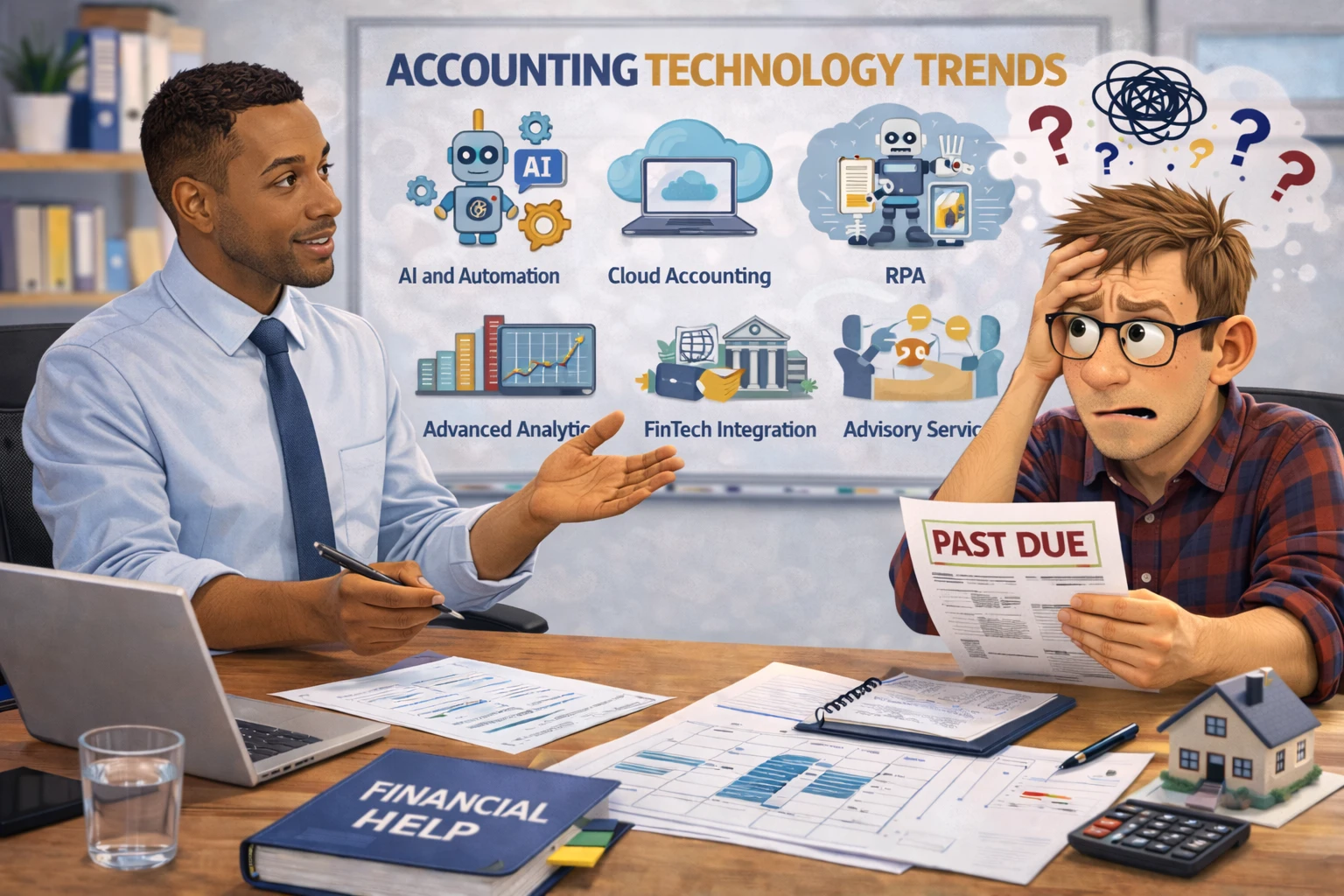
Accounting technology trends are moving faster than many firms can keep up with. One year you are fine with basic software. The next, clients expect instant answers, live data, and smoother service. This article shows what matters now and what deserves your attention first.
A lot of firms feel stuck between old habits and new tools. They know accounting automation, AI in accounting, and cloud accounting software matter, but they are not sure where to start. That creates delay, waste, and patchy service. We will fix that by making the topic clear and useful.
The future of accounting technology is not just about buying more software. It is about better choices, better systems, and better work. When tools do not connect, teams lose time and clients lose confidence. This guide explains what is changing and how to respond with purpose.
Digital transformation in accounting can feel like a vague phrase. It often sounds bigger and harder than it needs to be. But the real issue is simple. Firms need practical ways to work faster, think better, and serve clients more clearly.
According to this is what technology leaders say about how accounting is changing, the profession is shifting quickly toward automation, real time reporting, and AI driven systems, which is why many firms are now investing in sales training for accounting to help teams explain modern services more clearly

Why Accounting Technology Trends Matter More Than Ever
Client expectations have changed fast. They now expect speed, visibility, and less back and forth. They do not want to wait days for updates that good systems can show in minutes. That is one reason accounting technology trends now shape client loyalty as much as internal efficiency.
Many firms still think better tech only helps save time. Time matters, but it is not the full story. Better systems also improve accounting client communication and reduce avoidable friction. When a client gets quicker answers and clearer reports, trust grows.
Efficiency on its own is no longer enough. A faster process still fails if the client leaves confused. Firms need tools that help teams explain numbers, spot issues early, and guide decisions with confidence. That is where data analytics in accounting starts to matter far more.
The role of the accountant is also shifting. Compliance still matters, but clients want more than tidy records and year end support. They want guidance, perspective, and plain language. Good accounting technology trends support that shift by giving teams better information at the right moment.
This change also affects growth. Firms that stay stuck in manual work often have less time for valuable conversations. Firms with better systems can improve accountant consultation skills and spend more time on advice that clients will pay for. That moves the firm from reactive work to stronger relationships.
And that shift is not just operational. It changes the commercial side of the firm as well. Better service can support accountant value communication, stronger positioning, and steadier accounting business growth. Tech now shapes how firms win, keep, and grow client work.
The Biggest Accounting Technology Trends Shaping the Profession
AI in accounting is now a real working tool, not just a headline. It can read documents, spot patterns, suggest coding, and flag odd entries. That speeds up review work and gives teams a stronger starting point. In many firms, it also helps reduce low value admin.
It is most useful when it handles repeat tasks and leaves judgement to people. AI can help with forecasts, anomaly checks, and first pass analysis. But it still needs review, context, and common sense. That balance matters because poor oversight can create new errors rather than remove old ones.
The best use of AI in accounting is narrow and clear at first. Firms see better results when they focus on one pain point instead of trying to change everything at once. That could be invoice capture, expense coding, or simple forecasting. Small wins build confidence and give teams proof.
Risk still needs attention. Data quality matters, prompts matter, and review standards matter. Firms should be clear about where AI helps and where people make the final call. That protects quality and keeps client trust intact.
Accounting automation is one of the clearest shifts in accounting technology trends. It removes repetitive work from bookkeeping, bank matching, invoice handling, and month end routines. That gives staff more space for review and advisory work. It also cuts the drag that manual processes place on teams.
The biggest gains usually come from tasks that happen often and follow a set path. Reconciliations, reminders, document chasing, and approval flows are good examples. When those steps are automated, deadlines become easier to manage. The firm also becomes less dependent on memory and heroics.
Yet automation is not magic. Bad processes do not become good processes just because software is added. If the source data is poor or the workflow is messy, errors can move faster. That is why clean process design comes before adding more tools.
This is where many firms slip. They buy software before they fix the route the work takes. A better approach is to map the process, remove waste, and then automate the parts that repeat. That gives better results and avoids frustration for the team.
Cloud accounting software is now the base layer for many modern firms. It gives live access, easier collaboration, and fewer bottlenecks than desktop systems. It also helps staff and clients work from different places without losing visibility. That is now expected rather than impressive.
The value is not just convenience. Cloud systems can improve accuracy, version control, and response times. When data updates in real time, conversations become more useful. That supports quicker decisions and more relevant advice.
Firms still need to choose carefully. Not every cloud accounting software option fits every team, client base, or workflow. Integration matters. Security matters. Ease of use matters as well, because complex tools often sit half used.
Good selection starts with real work, not features on a sales page. Ask what the team needs every day. Ask what clients struggle with most. Then choose software that fits those needs instead of chasing brand noise.
Practice management software is becoming central to accounting firm technology. It helps firms manage jobs, deadlines, capacity, billing, and client contact in one place. That reduces guesswork and gives leaders a clearer view of the work coming through. It can also stop tasks from disappearing into email chains.
For firms with many moving parts, this kind of control is hard to ignore. Teams can see status, handoffs, blockers, and due dates without asking three people first. That saves time, but it also improves accountability. Better visibility often leads to calmer delivery.
The best practice management software does more than track jobs. It should link well with tax tools, document systems, and client communication. A disconnected system creates more admin rather than less. Connected systems help work move with fewer delays.
This matters for client experience too. Faster follow up and clearer ownership improve accountant relationship building. When clients know who is doing what and when, confidence rises. It is a simple gain, but it matters.
Data analytics in accounting is moving firms beyond backward looking reports. It helps teams spot trends, forecast cash flow, compare performance, and flag early risk. That turns data into action rather than just history. Clients value that because it helps them decide, not just observe.
Dashboards and KPI views are part of the story, but not the whole story. The real value comes when the numbers are tied to decisions. A dashboard that no one explains is just decoration. Useful analytics should lead to a clear next step.
This is where firms can build stronger advisory work. Better analysis gives teams more confidence in accounting client conversations. It also supports accountant client decision making by making choices easier to see and discuss. Clients do not just want more data. They want clearer guidance.
As that grows, sales and service start to overlap. Teams need strong selling skills for accountants because advice still needs to be explained and valued. Data alone does not create action. People still need clarity, confidence, and trust.
Digital transformation accounting is often described too loosely. In practice, it means moving from scattered tools and manual habits to joined up systems and better ways of working. It is not one project with one finish line. It is a series of smart changes that improve the way the firm runs.
That means software is only part of the answer. If processes are poor, handovers are messy, and ownership is vague, new tools will not solve the deeper issue. Good change starts with how work should flow. Then the tech supports that flow.
Many firms still work with duplicate data, repeated entry, and systems that do not speak to each other. That slows teams down and creates avoidable risk. Better accounting technology trends now focus on reducing those breaks between systems. Joined up tools create better visibility and fewer mistakes.
The firms that do this well also think about people. Training, habits, and leadership all shape whether change sticks. A system only helps when staff know how and why to use it. That is what turns a software purchase into real progress.

How Accounting Firm Technology Is Changing the Business Model
Accounting firm technology is changing what clients buy. Many compliance tasks are becoming faster and more automated. That puts pressure on firms that only sell basic delivery. Clients still need the work done, but they place more value on insight and guidance.
This shift opens new opportunities. Firms with better data and smoother systems can move into advisory work with more confidence. That often improves margins because the work is less tied to raw hours. It also makes the relationship more valuable to the client.
Standardisation plays a big part here. When work follows a cleaner path, quality is easier to manage and review is faster. That improves consistency across the team. It also supports better accounting conversion rate because prospects see a firm that looks organised and dependable.
Client experience changes too. Faster replies, better visibility, and fewer mistakes all affect whether clients stay and refer others. Stronger systems help build accounting client trust because the service feels more secure and more thought through. People notice when a firm feels calm and in control.
Skill demands are changing at the same time. Technical knowledge still matters, but soft skills matter more than before. Firms need accounting sales skills, accountant sales confidence, and accountant objection handling when clients question value, fees, or change. Better systems do not remove the need for those skills. They make those moments more important.
That is one reason sales training for accountants is becoming more useful. Teams need to explain services clearly, speak with confidence, and guide better decisions without sounding pushy. This is not about scripts. It is about better conversations built on clarity and trust.
How to Choose the Right Accounting Technology Stack
Choosing the right stack starts with the work itself. Look at where time is lost, where errors repeat, and where clients get frustrated. Those pressure points should guide the search. The best accounting technology trends are only useful when they solve a real problem inside the firm.
Most firms need a solid core. That often includes cloud accounting software, document management, payroll, tax tools, reporting, and practice management software. The aim is not to own the most tools. It is to have the right mix that works well together.
Integration matters more than feature lists. A point solution may look clever on its own, but it can create more admin if it sits apart from the main workflow. Joined up systems reduce repeated entry and cut the chance of key details being missed. That makes the whole stack easier to trust.
There are times when a specialist tool is worth adding. But it should fill a clear gap and connect well with the rest of the setup. Otherwise the team ends up jumping between screens and patching the process by hand. That is the kind of friction firms should remove, not add.
Security and access control should never be afterthoughts. Firms hold sensitive financial data, and weak controls carry obvious risk. Good systems should make permissions clear, keep audit trails, and support secure sharing. That is part of professional service, not extra polish.
Before buying anything, ask a few blunt questions. Will the team actually use it. Will it reduce steps. Will it help client service. Will it improve accountant lead conversion by supporting a clearer sales and onboarding journey. If the answer is vague, the decision should wait.
Common Barriers to Adoption
Legacy systems remain one of the biggest barriers in accounting technology trends. Old software can feel safe because people know it. But familiar does not always mean fit for purpose. Many firms keep paying a hidden cost in time, errors, and limited visibility.
Poor integration makes that worse. Teams copy data from one place to another and hope nothing breaks. That slows delivery and creates doubt around the numbers. The firm may own software, but still work in a manual way.
Resistance from staff is another real issue. People do not always push back because they dislike change. Often they push back because past changes were messy, unclear, or badly led. If the reason for change feels weak, energy drops fast.
Training is part of the answer, but so is good communication. People need to know what is changing, why it matters, and what better looks like. This is where accounting sales training and accounting persuasion skills can help internally as well as externally. Clear messages reduce friction.
Bad data also blocks progress. If client records are inconsistent or incomplete, new systems will struggle from day one. Teams then lose confidence and blame the tool. The truth is often simpler. Weak inputs lead to weak outputs.
Budget pressure can also cause hesitation. Some firms see only the software fee and miss the cost of doing nothing. When waste, delay, and rework are added up, the old setup is often more expensive than it first appears. Good decisions need the full picture.

A Practical Rollout Plan for Firms
Start with an audit of the current workflow. Look at what happens from first client contact to final delivery and billing. Find the repeated delays, the handoffs, and the manual steps that cause the most pain. That gives accounting technology trends a practical starting point rather than a vague ambition.
This review should include people as well as process. Ask the team where work slows down and where clients get confused. Look at how information is shared and where things are missed. Those details often reveal more than a software demo ever could.
After that, choose the biggest pain points first. Do not try to change every system at once. A focused start usually leads to better take up and fewer mistakes. It also helps leaders prove value early.
Set goals that can be measured. That may be faster month end close, fewer email chases, lower rework, or clearer reporting. These goals should tie back to service quality and financial results. That is how firms connect digital transformation accounting with outcomes that matter.
Training must be built into the plan from the start. People need time to learn, ask questions, and build new habits. Rushed rollouts often fail because staff are expected to cope in the middle of live work. Good change needs space.
Assign ownership as well. Someone needs to watch progress, solve issues, and keep standards clear. Without that, energy fades and old habits return. Change works better when responsibility is visible.
Review results as the new setup beds in. Check what improved, what slowed down, and where the process still breaks. Then refine the system and the workflow together. That is how firms turn early progress into lasting change.
This approach also helps on the commercial side. Better systems support accountant client psychology, accounting client guidance, and more confident value conversations. When teams have the right information at the right time, they can guide clients far more effectively.
The Future of Accounting Technology
The future of accounting technology will bring more automation, more connected systems, and smarter analysis. But that does not mean people become less important. In many cases, the opposite is true. As tools handle more routine work, judgement becomes more valuable.
Clients still want someone they trust to interpret the numbers and explain the next move. Software can speed up the first draft. It cannot replace human sense, context, or calm advice. That is why firms should build tech and people together, not treat them as rivals.
The firms that stay competitive will not chase every new tool. They will choose carefully, test properly, and keep the client experience in view. That matters because too much change can create noise rather than progress. Better choices beat more choices.
This also links to growth. Firms that pair good systems with strong accountants closing skills tend to convert more of the right work. Clear service, confident advice, and smoother delivery improve the full journey from first enquiry to long term client value. That is what modern accounting firm technology should support.
Conclusion
Accounting technology trends are no longer optional reading for firm leaders. They affect service quality, team efficiency, growth, and client trust. The firms that do well are not always the ones with the most software. They are the ones that choose well and use it with purpose.
AI in accounting, accounting automation, cloud accounting software, practice management software, and data analytics in accounting all matter. But results come from fit, process, and people, not software alone. When firms make smart changes in the right order, they build a stronger service and a better business.
FAQ on Accounting Technology Trends
What do accounting technology trends mean for accountancy firms right now?
Accounting technology trends matter in financial services because clients expect speed, clarity, and strong data security. Firms that improve systems can give better advice, reduce delay, and build more trust. In financial services, that often supports stronger service quality and better commercial performance. It also creates a better base for sales training for financial services, where teams need clearer conversations and stronger value communication.
How is AI in accounting changing work in accountancy services?
AI in accounting is helping accountants with document review, anomaly checks, forecasting support, and routine data handling. That frees up more time for human judgement and client advice. In accountancy, the real gain is not just speed. It is better decisions, better explanations, and better use of sales training for financial services when teams need to guide clients with confidence.
Why does cloud accounting software matter for accountancy businesses?
Cloud accounting software matters in accountants because it improves access, collaboration, and live visibility across teams and clients. It can also reduce version issues and make reporting more timely. For accountancy firms, that helps staff respond faster and speak with more confidence in client meetings. It also strengthens the work that sits around sales training for financial services by making advice clearer and easier to support with current data.
How can financial services firms adopt accounting technology trends without disrupting client service?
Financial services firms should adopt accounting technology trends in stages. Start with the clearest pain points, set measurable goals, train staff properly, and review results often. That lowers disruption and keeps service standards steady. It also gives teams a stronger base for sales training for financial services, because better systems make it easier to explain value, answer concerns, and guide clients well.
UK Sales Training That Helps Teams Win More Business
Choosing the right professional sales training UK can make a significant difference to the quality of your sales conversations. Based in sales training in Mansfield, I work with businesses looking for sales courses in Nottingham, sales training in London and tailored programmes delivered throughout the UK. Every workshop is built around your buyers, sales process and commercial objectives, either on-site or through Zoom sales training.
Industry-specific programmes include financial adviser sales training, mortgage broker sales training, insurance broker sales training, SaaS sales training, technology sales training and telecommunications sales training. Businesses wanting corporate sales training programmes receive practical, bespoke coaching focused on clearer value communication, stronger buyer confidence and higher conversion rates.
Find out how Master Your Pitch can help prospects understand your value from the very first conversation.
Not sure which programme is right for your team? Book a call and let’s discuss the best solution for your business.

Other Useful FAQs
Why do clients struggle to understand the value of accounting?
Many firms explain products, processes, and features but clients still leave unsure about the real benefit. This article explains why accounting value often feels unclear and how advisers communicate it in a way clients understand. Read accounting value.
How can buyers get approved for a mortgage with adverse credit?
A past financial mistake does not always end the chance of home ownership. This article explains the common options lenders consider and the steps buyers take to improve approval chances. Read adverse credit mortgage approval.
What mortgage protection insurance mistakes should homeowners avoid?
Mortgage protection is often treated as a simple product when the details matter more than expected. This article explains the common mistakes people make and how to choose cover that actually protects the mortgage. Read mortgage protection insurance mistakes.
How do mortgage clients actually make decisions?
Mortgage decisions slow down when clients feel buried under rates, terms, and lender rules. This article explains how advisers help clients move from confusion to a clear decision. Read mortgage adviser client decision making.
Why do insurance policies confuse clients?
Many clients believe they understand a policy until they read the small print. This article explains how brokers simplify policy explanations so clients know exactly what is covered. Read understanding insurance policies clearly.
What consultation mistakes cause mortgage advisers to lose clients?
Most advisers do not lose clients because the product was wrong. They lose them because the consultation conversation created uncertainty. This article explains the consultation mistakes that cost business. Read mortgage adviser consultation skills mistakes.
What sales training mistakes do insurance brokers make?
Knowing products well does not always translate into more signed policies. This article explains the common sales training mistakes that stop brokers converting conversations into business. Read insurance broker sales training mistakes.
How can mortgage advisers refresh their advice business?
Mortgage businesses can look busy but still feel stuck. This article explains simple ways advisers refresh their approach and create new momentum. Read refresh your mortgage advice business.
Why is technology transforming accounting?
Technology promises efficiency, automation, and better client experiences. This article explains the real changes affecting accounting and how firms adapt. Read technology transforming accounting.
What client communication mistakes do mortgage advisers make?
Client communication often breaks down long before a client says they feel lost. This article explains the communication mistakes that create confusion during mortgage advice conversations. Read mortgage adviser client communication mistakes.
How does sales training help mortgage advisers build trust?
Mortgage advisers often know their market well but still struggle to convert meetings into clients. This article explains how better conversations and clearer messaging build trust faster. Read mortgage adviser sales training that builds trust.
Why does personalisation fail in accounting?
Clients quickly notice when advice feels generic. This article explains why many personalisation efforts fail and how advisers create advice that truly reflects a client’s situation. Read personalisation in accounting.